

Cupertino
Home to De Anza College and a thriving mix of tech campuses and family neighborhoods, Cupertino has quietly become an exciting food destinations on the Peninsula — with flavors from Thailand to Persia to India, all within a few miles of each other.
Great Schools and a Prime Silicon Valley Location.
While Cupertino doesn’t have a central downtown like many of its surrounding communities, its web of parks, excellent schools, and dotting of great restaurants make it a wonderful place to live. One of the hidden benefits of Cupertino’s retail corridors is the wealth of specialty grocery store options tucked throughout the city.
Cupertino was incorporated as a city in Santa Clara County in 1955, following significant post-war expansion. Before that, it was known for its fruit orchards — and even earlier, it was a thriving wine region. The character of the town’s industry shifted with the opening of the Vallco Park business park, which turned Cupertino into a hub for technology companies. Apple opened its first Cupertino offices in 1977, and the company’s presence has shaped the city ever since. Today, Cupertino blends that tech-industry energy with a genuine small-town feel, anchored by strong schools, quiet residential streets, and easy access to some of the best food in the Bay Area.
Cupertino, California Market Data Per MLS - Q2 2026
- $3.375M Median Sale Price
- 12 Days on Market (Median)
- $1,707 Avg Price Per Square Foot
FAQs
As top agents in the Cupertino area we draw on our decades of personal experience in the town when helping buyers and sellers understand the community.
Cupertino has long been one of the more resilient markets in Silicon Valley, driven by its proximity to Apple’s headquarters, strong schools, and steady demand from tech employees. Whether now is the right time depends on your personal timeline and financial situation more than market conditions alone.
Looking at recent closed sales, it’s common to see final sale prices land 10–20%, and sometimes significantly more, above the original list price — a reflection of continued strong buyer demand relative to available inventory. That said, results vary quite a bit by price point and neighborhood, so we always perform a property-specific comparison for listings and when representing buyers.
Very. Looking at recent closed sales, roughly 80% closed above the original list price, with homes selling for an average of about 7–8% over asking. Homes are typically going under contract in about a week (median 7 days on market), and that pace has held remarkably steady across 2024, 2025, and into 2026 — even as median prices have moved around with the broader rate environment.
Cupertino’s median sale price has bounced within a fairly wide band — generally $2.7M to $4.3M depending on the quarter — reflecting the mix of what sold rather than a single steady trend line. Early 2026 saw some of the highest quarterly medians in this stretch, driven in part by a handful of larger luxury sales, while price points settled back down into the high-$2M/low-$3M range by mid-2026. Because Cupertino has such a wide range of home sizes and lot types, quarter-to-quarter medians can move quite a bit based on which homes happen to close — the underlying trend has stayed strong.
Recent single-family sales range from about $1.8M on the low end to $6.5M+ for larger, newer, or premium-lot properties, with the middle half of sales (25th–75th percentile) falling between roughly $2.86M and $4.23M, and a median around $3.42M. The lower end of that range tends to be older, smaller homes on standard lots; the top end is dominated by larger new construction or homes on oversized/hillside lots.
Our Recent Cupertino Sales
Cupertino Sales Trends
Cupertino’s median home price has held remarkably steady over the past three years, moving from $2.9M in Q3 2021 to $3.3M in Q2 2024 — a reminder of just how resilient this market has been even through a rapidly shifting rate environment. Price per square foot tells a similar story, climbing from $1,373 to $1,692 over that period, with a notable peak of $1,735 in early 2022 before rates rose and buyers recalibrated.
The market did cool through the second half of 2022 and into early 2023 — median days on market stretched to 15 in Q3 2022, and the number of homes sold dropped to just 35 in Q1 2023, the slowest quarter of the stretch. But Cupertino rebounded quickly: by Q2 2024, homes were once again selling in a brisk 8 days on average, with 89 homes sold — one of the strongest quarters on record.
What stands out most is the pace. Even in the market’s slower stretches, days on market never exceeded two weeks, which speaks to how consistently in-demand Cupertino real estate remains, regardless of broader market conditions.
Despite its reputation as a tech hub, Cupertino backs right up into some of the best open space on the Peninsula. Rancho San Antonio County Park is the local favorite — a sprawling preserve with miles of trails for hikers, trail runners, and mountain bikers, plus a working farm (Deer Hollow Farm) that makes it a hit with kids. On weekends, the parking lot fills up fast, so we like to get there early.
For something a little more secluded, Fremont Older Open Space Preserve offers rolling hills, oak woodlands, and sweeping views back down toward the Bay — with nearly 15 miles of trails to explore. And Picchetti Ranch Open Space Preserve is a favorite for a different reason entirely: after your hike, you can wind down with a glass of wine at the historic Picchetti Winery right on the property.
Closer to town, Stevens Creek County Park combines hiking trails with a reservoir, making it a great spot for a picnic or an afternoon on the water in addition to the trails.
Between these preserves, Cupertino residents get a genuine escape into nature without ever leaving city limits — one of the quieter reasons people fall in love with living here.
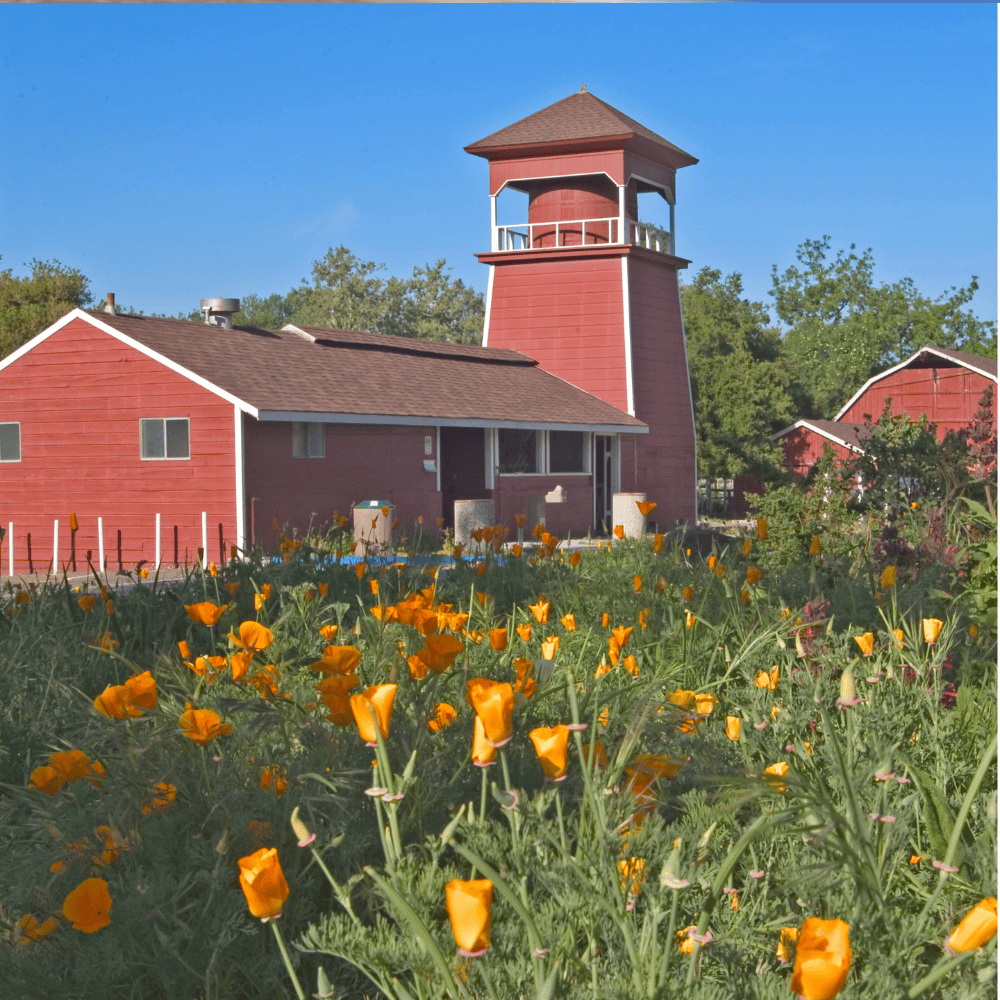
The town of Cupertino offers an array of unexpected treasures. McClellan Ranch Preserve consists of 18 acre former horse ranch that now offers resources including beginning blacksmith classes, yoga classes, picnic tables, walking trails, community gardens and the Environmental Education Center. Visit their website here for upcoming classes and events.
Blackberry Farm – a public recreation center at 21979 San Fernando Avenue – offers a facility with two pools as well as bocce ball, horseshoe and sand volleyball courts. In the summer from May to September the pools open for lap and recreational swimming with a reduced rate for residents. A nine hole public golf course rounds out the offerings!
Cupertino also has a beautiful Sports Center at 21111 Stevens Creek Boulevard with 25,000 sf of tennis courts, pickleball and racketball courts. There is also a weight and cardio rooms with options for personal training and group fitness.
The food options in Cupertino are far ranging and delicious! Here are a few of our favorites:
- Siam Station – The Khao soi is an incredible yellow curry dish with noodles. We love it with tender chicken. So delicious and flavorful.
- Taiwanese Porridge – right next door to Siam Station is this delicious cafeteria style Taiwanese restaurant. There are so many yummy veggie dishes and we love the dry fried chicken with Sichuan pepper.
- Marufuku Ramen – There are a handful of these restaurants throughout the Bay Area and it is always a fave. The spicy tantan ramen never misses.
- Gochi – Love all the tapas-style small plates — perfect for sharing.
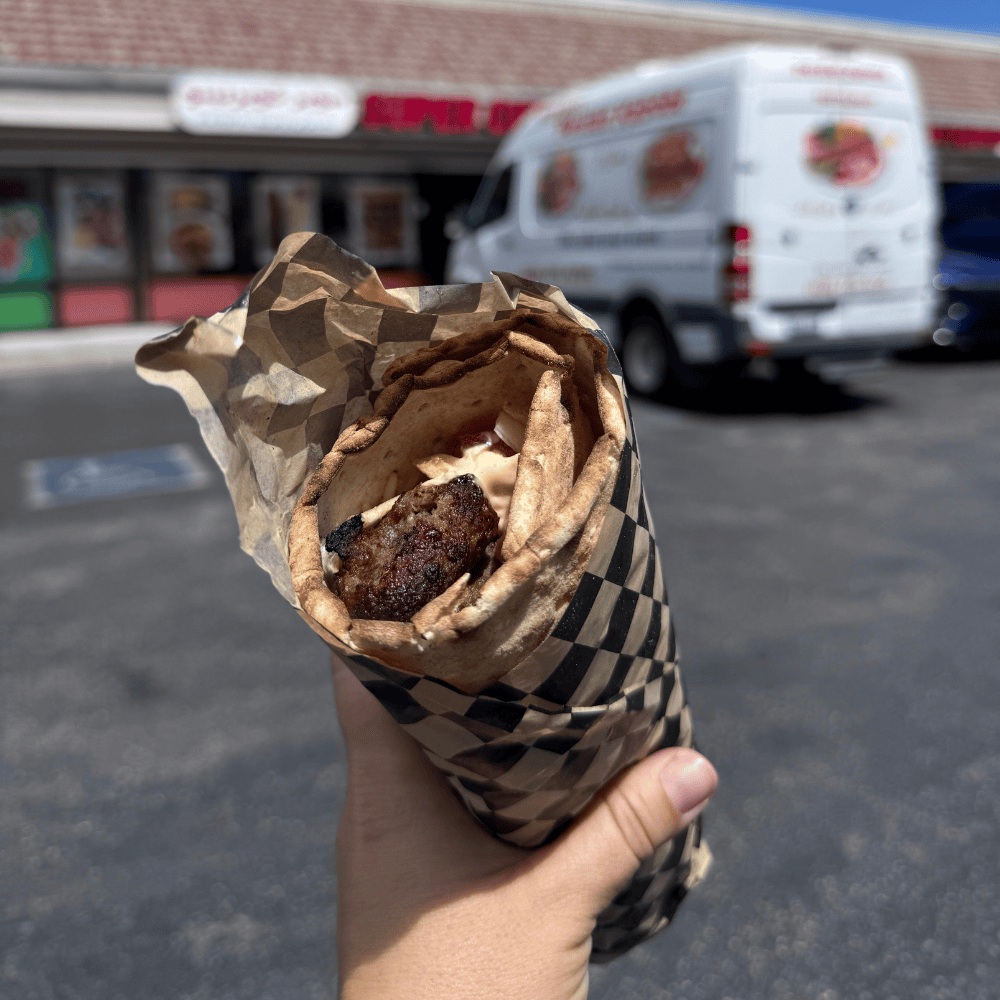
- Persian Kabobs – The thadig is a must, and their wraps genuinely taste unique thanks to saffron rice and tender, flavorful meat.
- Safar by Karimi – Upscale Indian, great for a special night out.
Local Schools
Cupertino is served primarily by the Cupertino Union School District for elementary and middle school, and Fremont Union High School District for high school — both known for consistently strong academics and a level of parent engagement that’s hard to match.
Cupertino has long had a reputation as one of the most sought-after school markets in Silicon Valley, and that reputation shows up in the real estate data: homes zoned for certain elementary boundaries, like Abraham Lincoln Elementary, have carried a measurable price premium compared to others.
Engaged community: With so many families choosing Cupertino specifically for its schools, PTA involvement and community fundraising tend to be strong, helping fill gaps that other districts sometimes struggle with.
Depth across the boundary: Cupertino Union School District includes numerous elementary schools throughout the city — Abraham Lincoln, Stevens Creek, Garden Gate, D.J. Sedgwick, C.B. Eaton, and others — each with its own attendance boundary, so it’s worth checking a specific address rather than assuming citywide consistency.
Higher education at home: Cupertino is also home to De Anza College, one of the largest single-campus community colleges in California. Beyond serving as a launching pad for university transfers, De Anza brings cultural and community resources most cities its size don’t have — including the California History Center, the Euphrat Museum of Art, and Flint Center, which regularly hosts public events and performances. For families, it also means access to enrichment programs, continuing education, and dual-enrollment options for high schoolers.